In today’s fast-paced digital world, Canadians increasingly expect seamless, mobile-first financial experiences. While mobile payments have revolutionized how users make deposits, the question remains: can mobile payments make withdrawals just as easy and transparent? This blog post explores the evolving landscape of mobile withdrawals, framed by key insights from Payments Canada’s 2024 statistics and innovations from companies like MRQ. We’ll also examine how banking apps and digital wallets are shaping user experience (UX) on small screens and why transparency around payment methods, limits, and verification is crucial for adoption.
Mobile-First Payment Expectations in Canada
Canada’s payment ecosystem has undergone a massive transformation over the past decade. According to Payments Canada’s 2024 Annual Report, approximately 75% of all Canadian electronic payments now originate from mobile devices — a figure that continues to climb. Mobile banking apps, digital wallets, and mobile point of sale (mPOS) solutions are rapidly becoming the norm, not the exception.
Consumers have grown accustomed to the convenience of mobile payments for deposits, whether transferring funds to a gaming account, investing in stocks, or paying bills. However, withdrawals—especially in verticals like gaming, peer-to-peer transfers, or e-commerce refunds—have traditionally lagged in user experience and speed.
What Drives Mobile Deposit Popularity?
- Speed and Convenience: Depositing funds via banking apps or digital wallets is nearly instantaneous.
- Intuitive User Experience: Companies like MRQ focus on delivering simple, mobile-optimized deposit flows for Canadian users.
- Regulatory Support: Payments Canada’s infrastructure improvements keep transactions secure and reliable on mobile.
These drivers make deposits feel frictionless, but withdrawals often involve additional layers—verification steps, manual processing, or delays—that can frustrate the user.
Why Are Mobile Withdrawals More Challenging?
Mobile withdrawals face several hurdles compared to deposits, including:
These factors have historically made withdrawal processes less mobile-friendly. However, recent trends punboom.com show companies are innovating to overcome these barriers.
Role of Payment Method Matching
Payment method matching refers to aligning deposits and withdrawals to the same or verified linked digital wallets or bank accounts. This minimizes fraud risk and simplifies compliance.

Innovators like MRQ are integrating payment method matching to streamline withdrawals for Canadian users, creating faster, more error-free payout experiences. This capability, combined with strong banking app integration, improves trust and UX on mobile.
Improving Withdrawal UX on Small Screens
As the 2024 Payments Canada data reveals a rising proportion of mobile-originated transactions, companies realize that small screen UX must evolve beyond deposits to encompass withdrawals. Some best practices include:
- Clear Withdrawal Limits Display: Informing users upfront about minimum and maximum withdrawal amounts.
- Real-Time Withdrawal Tracking: Implementing progress indicators and notifications to update users on transaction status.
- Streamlined Verification: Employing biometric or document verification methods built directly into banking apps or wallet integrations to speed approval.
- Consistent Design Language: Using familiar UI/UX patterns across deposit and withdrawal flows to reduce cognitive load.
These approaches make withdrawals more predictable and less intimidating, essential for user retention and confidence.
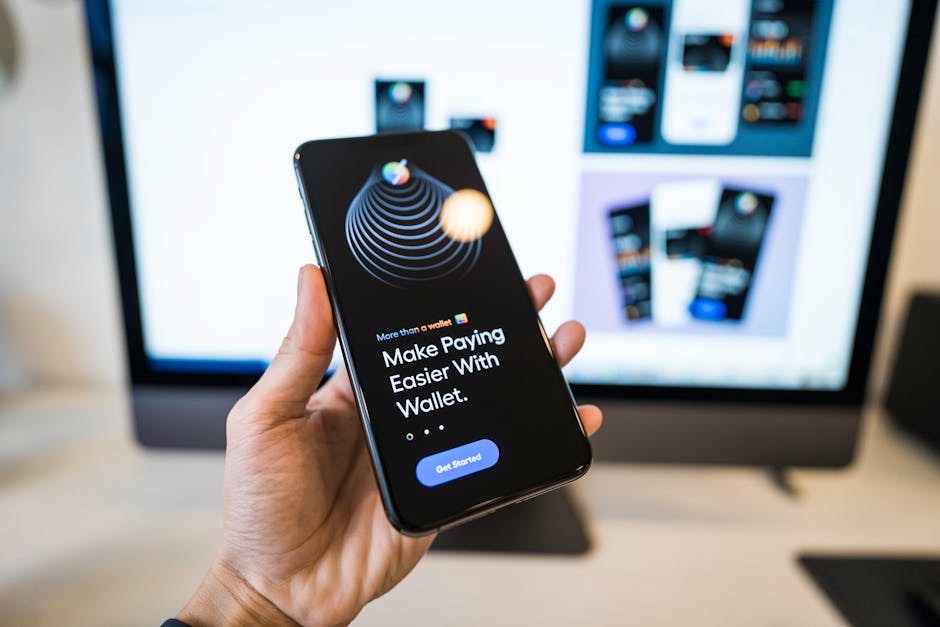
Case Study: MRQ’s Mobile Withdrawal Innovations
MRQ, a leading Canadian payment platform, has embedded withdrawal transparency features within its mobile interface to enhance user trust. Features include:
The Importance of Transparency About Methods, Limits, and Verification
Canada’s regulatory environment emphasizes transparency and security in financial services. For withdrawals, this often translates into complicated messaging about:
- Applicable withdrawal methods (e.g., Interac e-Transfer, bank transfer, digital wallet payout)
- Limits related to amount, frequency, and timing
- Verification requirements such as identity confirmation, source of funds documentation, and fraud checks
This complexity can overwhelm users on mobile devices, causing frustration and dropped transactions. Leading platforms strive to make this information digestible via:
- Contextual Help Tips: Explaining terms and steps inline within withdrawal flows.
- Progressive Disclosure: Revealing detailed info only when users opt to view it.
- Visual Status Indicators: Graphical elements showing limits and verification stages.
Incorporating these communication methods into mobile wallets and banking apps reflects best practices supported by Payments Canada’s mission to foster clarity and user confidence.
Future Outlook: Will Mobile Withdrawals Catch Up with Deposits?
Given the rapid adoption of mobile payments in Canada, the obvious next step is balancing withdrawals with deposit convenience. Key enablers include:
As these factors align, Canadians can expect mobile withdrawals that feel as intuitive and fast as today’s deposits.
Conclusion
Mobile payments have undeniably transformed the way Canadians make deposits, setting a high bar for convenience and usability. But withdrawals historically have struggled under complexities related to verification, payment method matching, and transparency. Fortunately, payment innovators like MRQ and the robust infrastructure maintained by Payments Canada are bridging this gap. By designing withdrawal experiences tailored for mobile devices—prioritizing real-time tracking, payment method alignment, and clear communication—Canada’s payment ecosystem is poised to deliver seamless, mobile-first withdrawals soon.
For businesses and consumers alike, keeping withdrawal UX as mobile-optimized as deposits is crucial to meet evolving digital expectations in 2024 and beyond.